
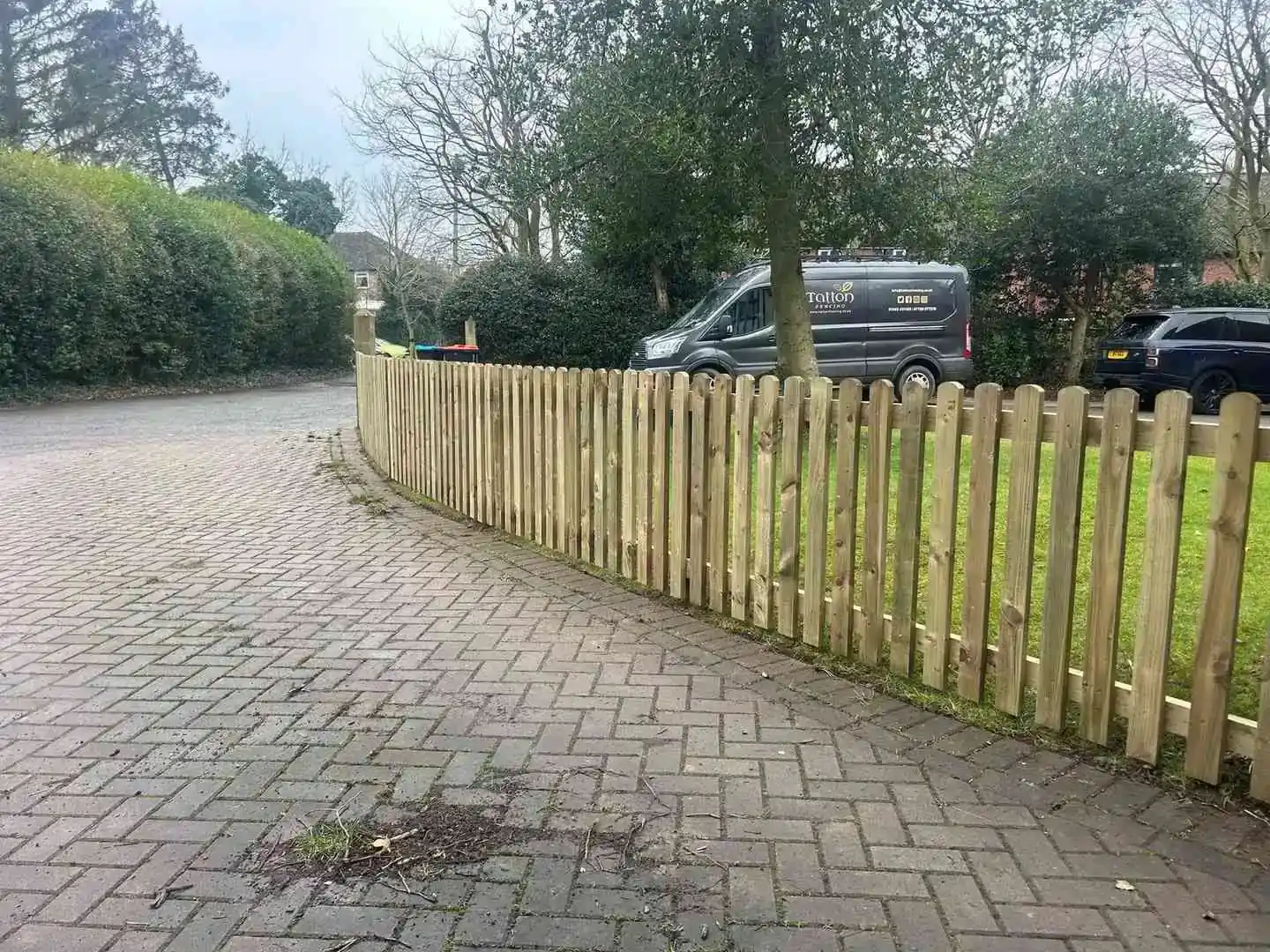
Picket fencing is a friendly sort of fence. It is low enough to chat over and smart enough to suit a cottage garden or a new build frontage. It marks the edge of your property without hiding it, keeps small children and dogs in, and adds kerb appeal for a modest cost.
Options & styles
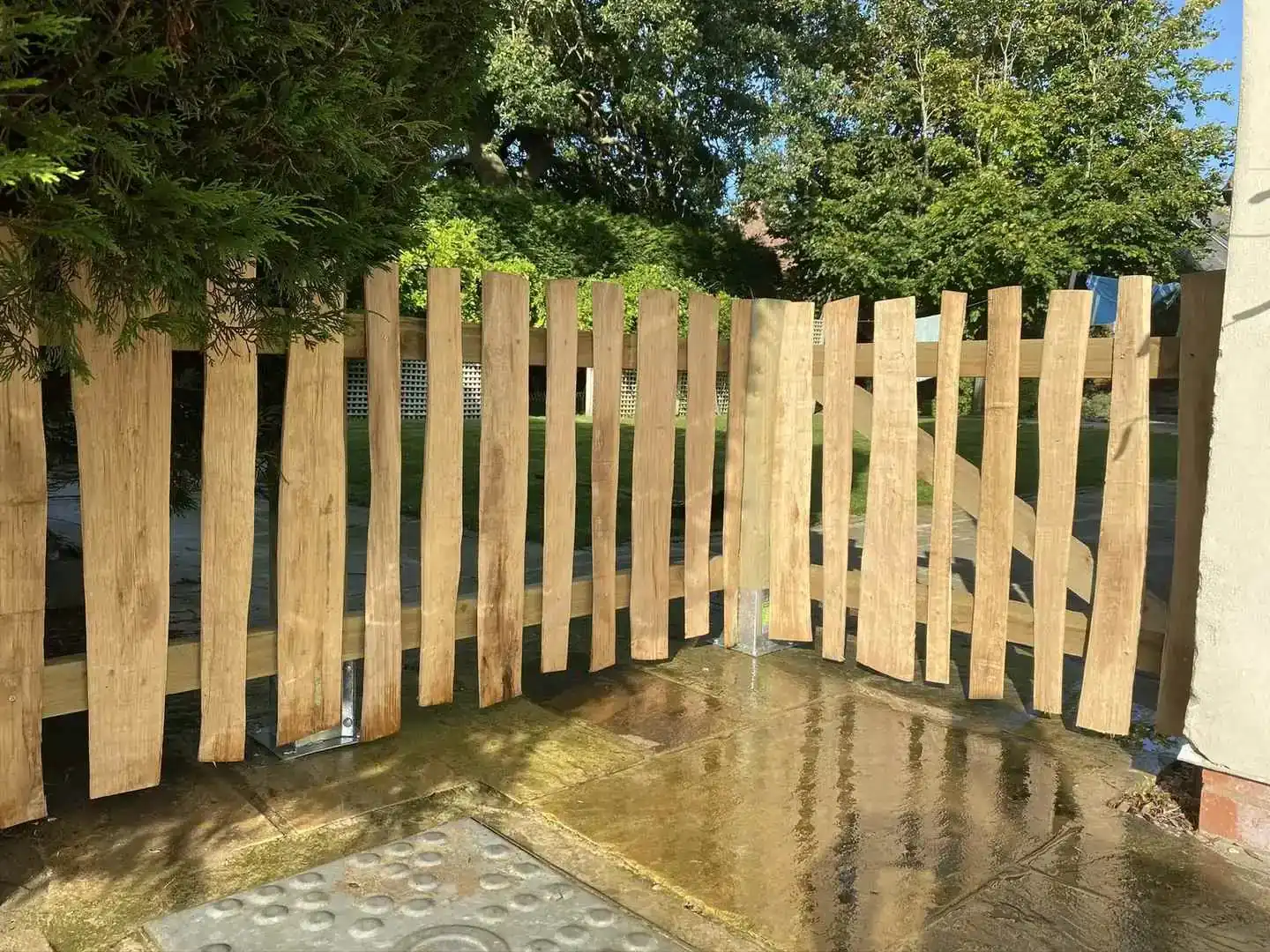
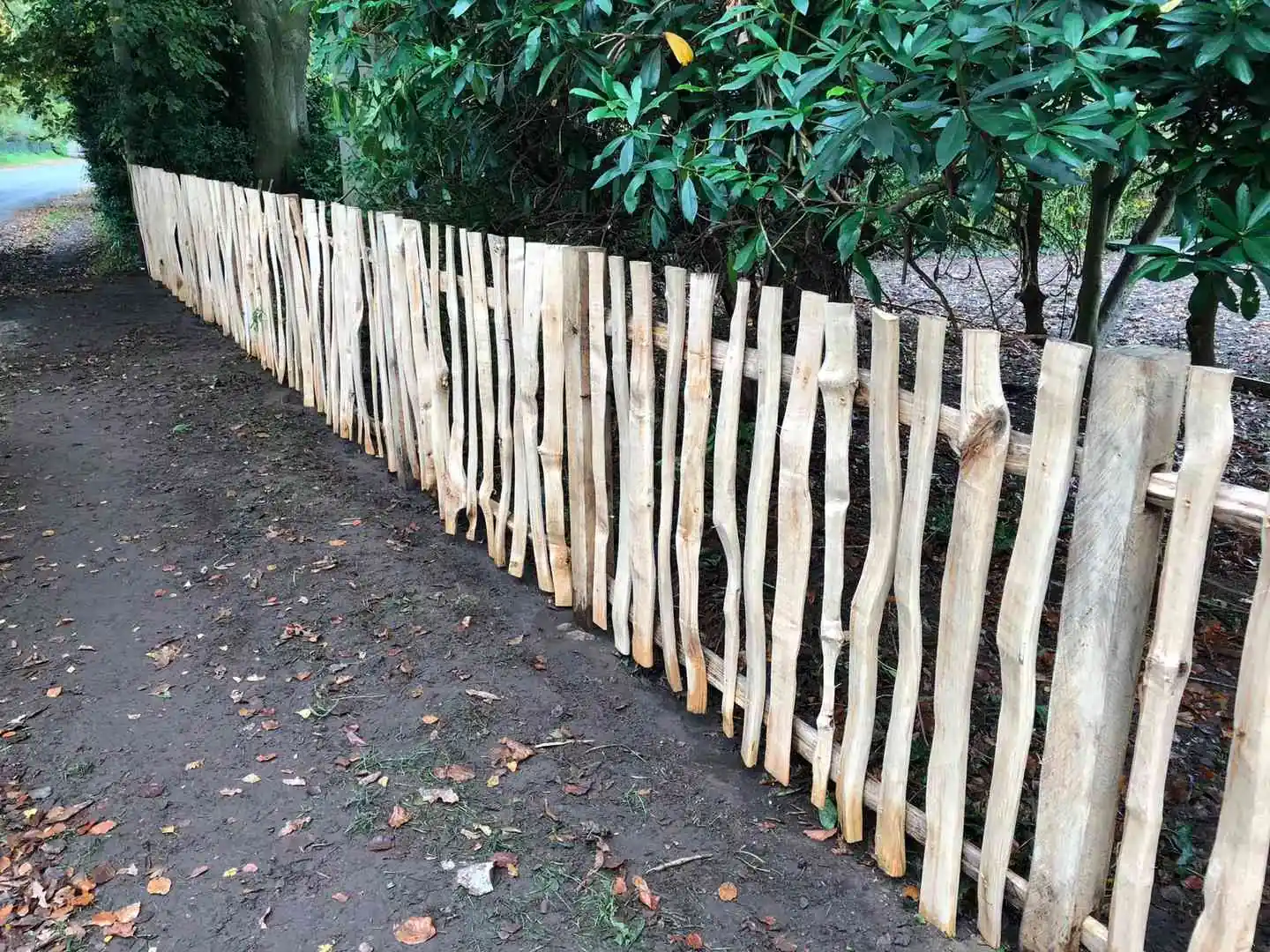
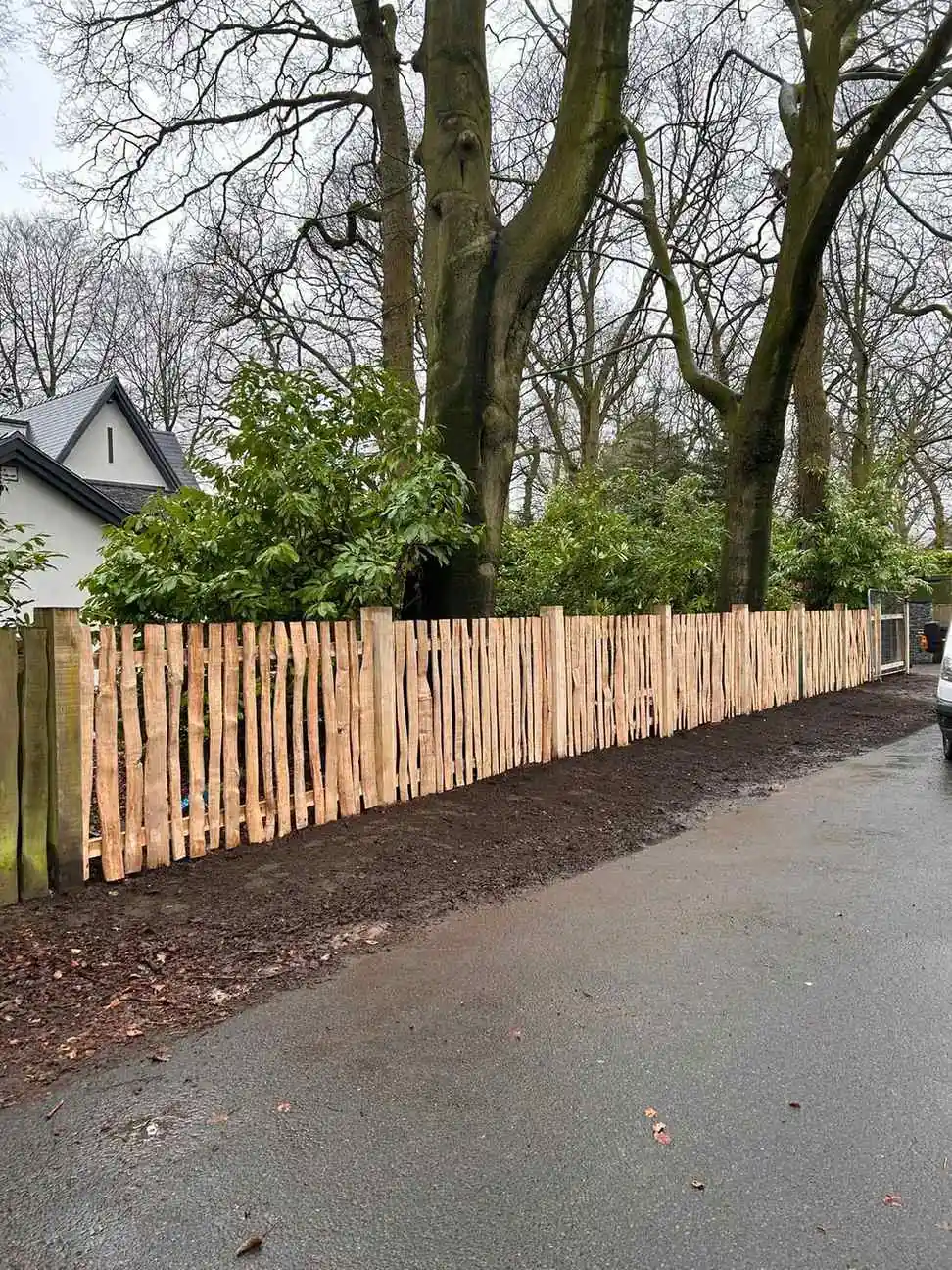
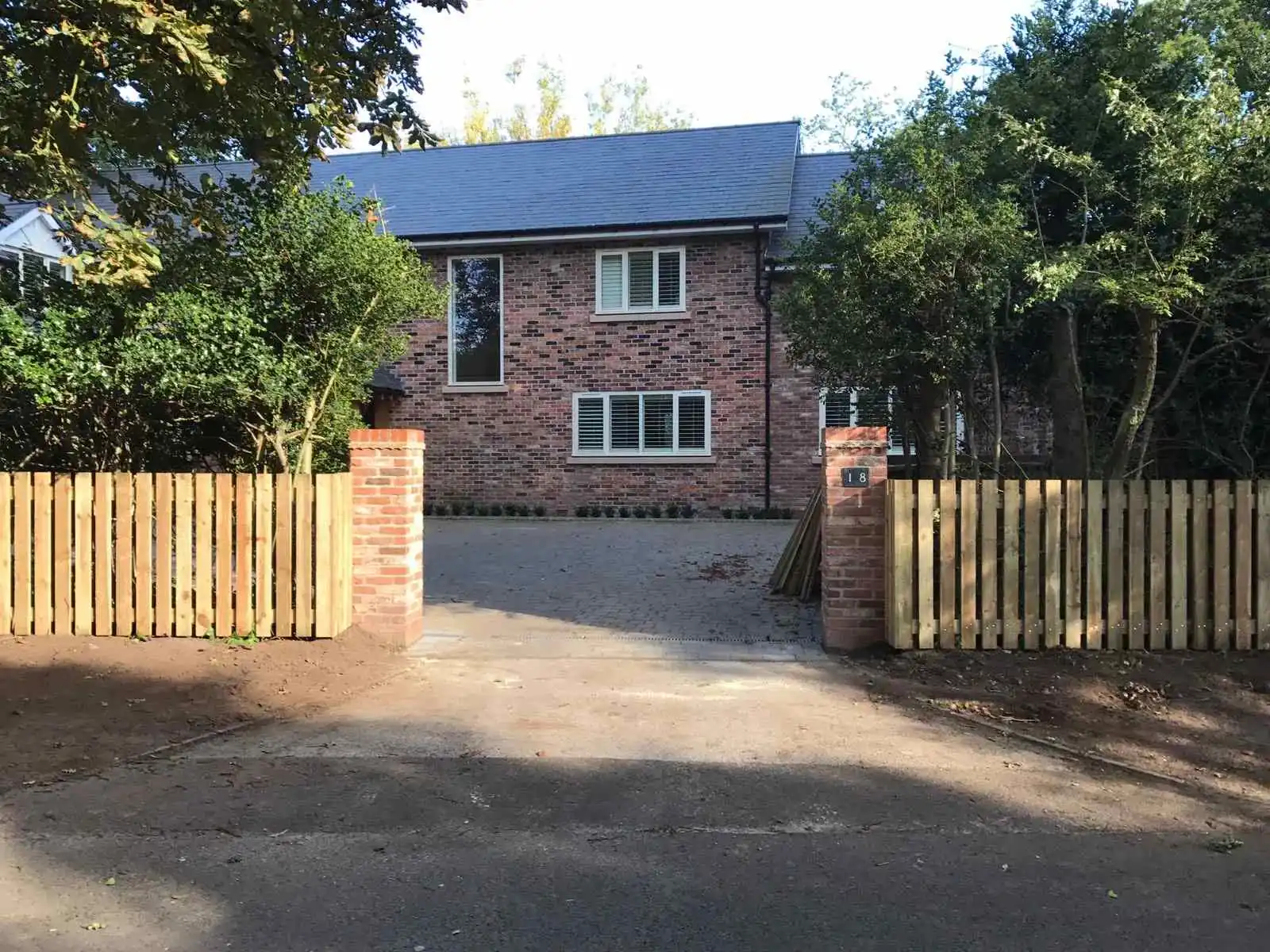
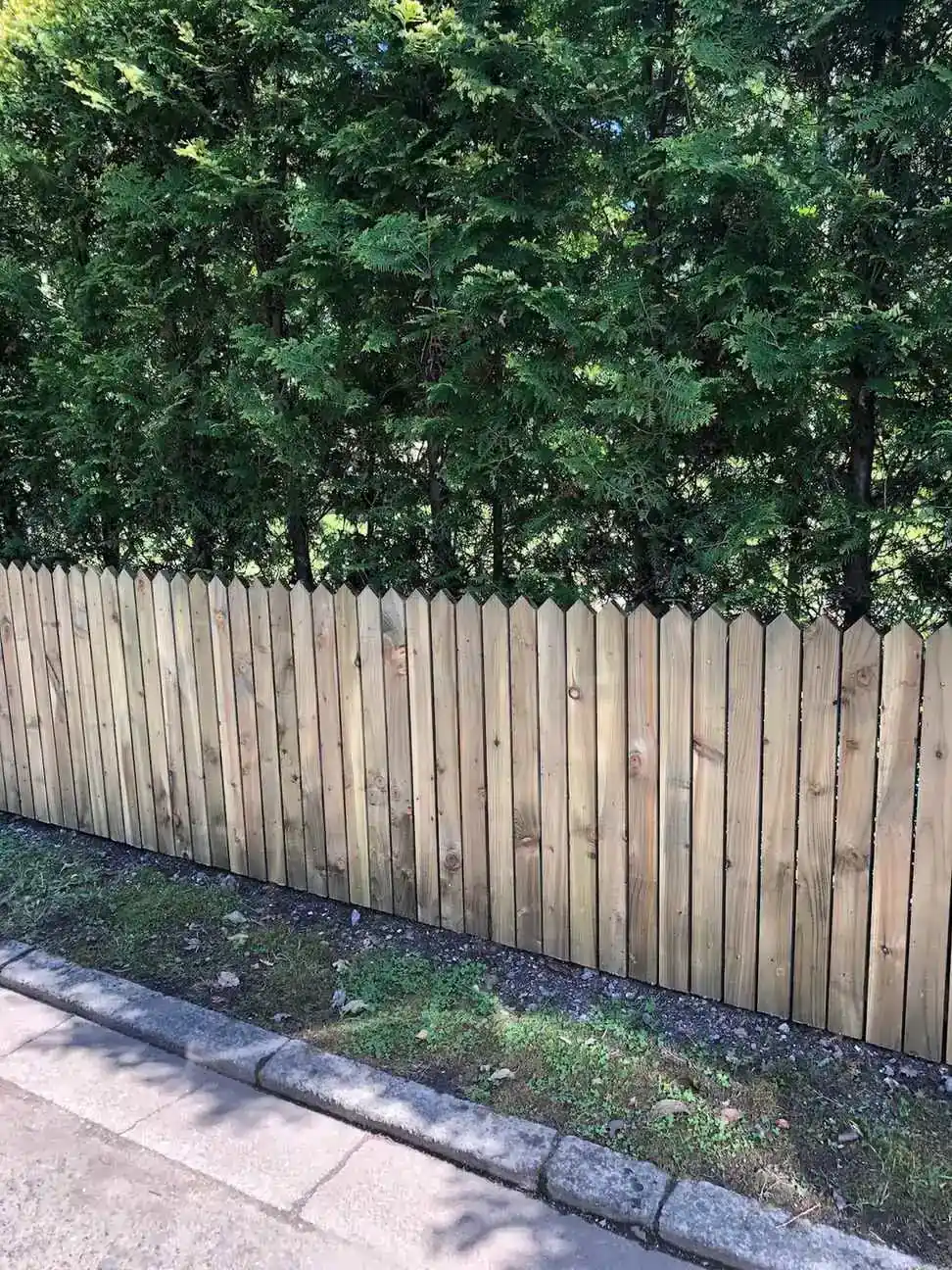
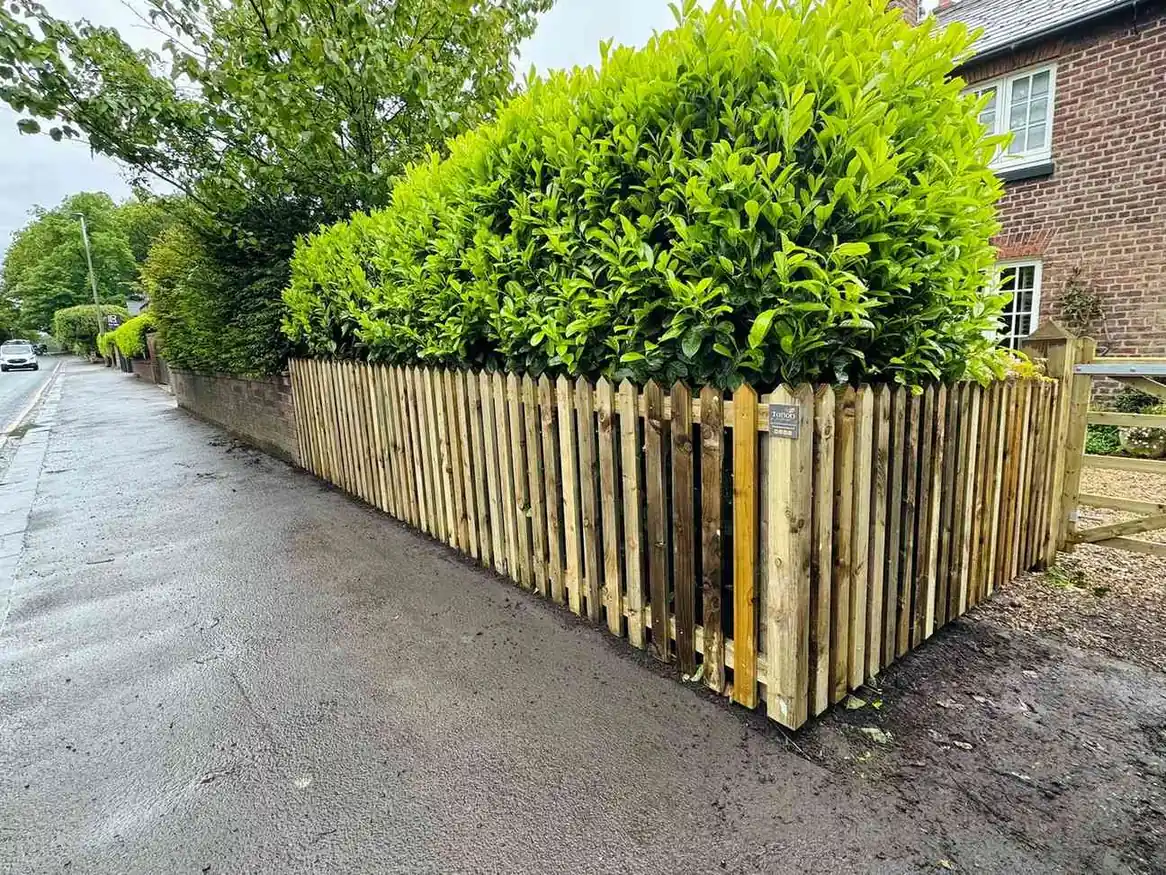
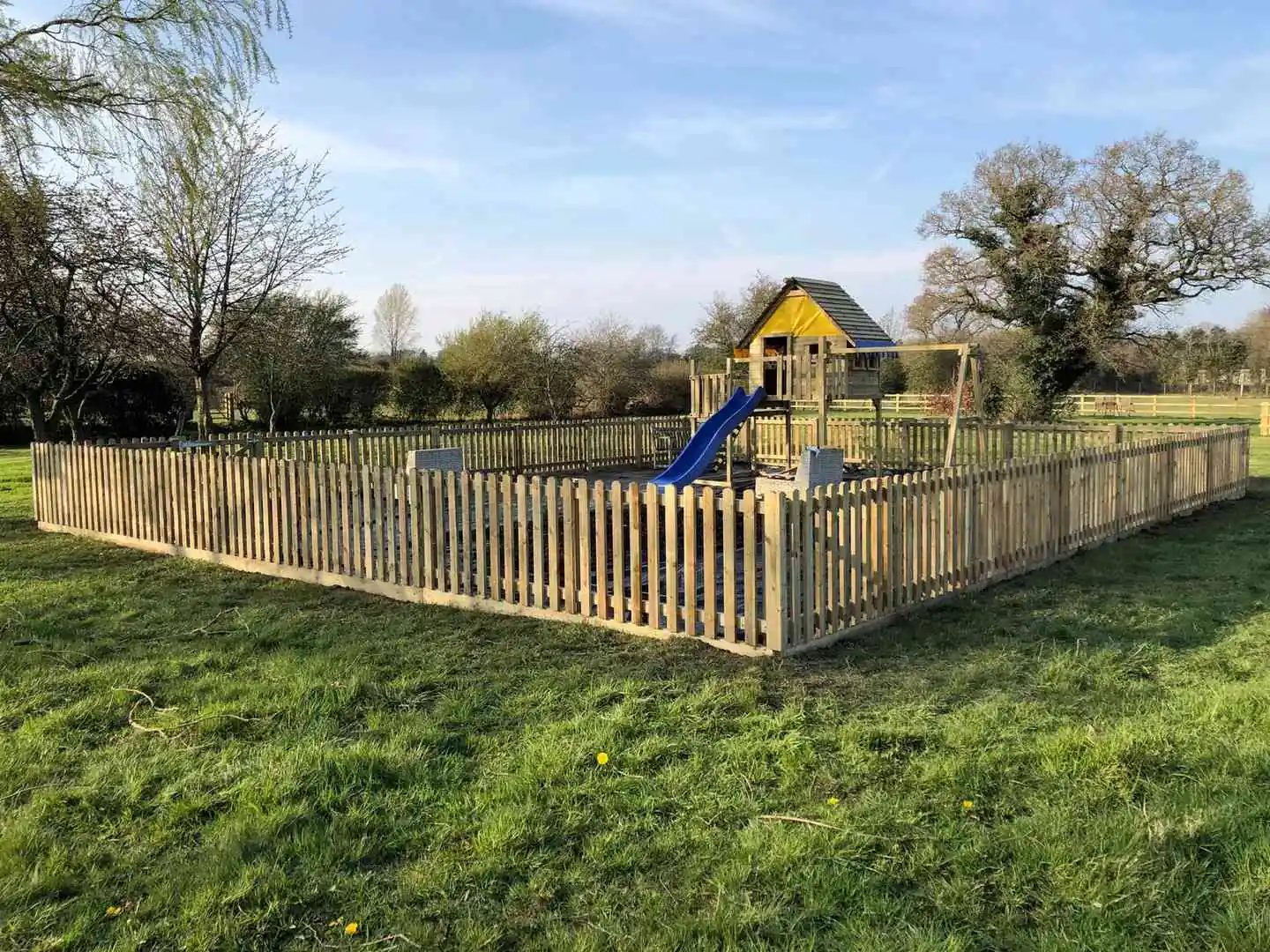
We install timber picket fencing with flat top, pointed top and rounded top pales, in heights to suit front gardens and path edges, with picket gates to match. We fit every picket individually on site, so the spacing can be set to suit the look you want, whether that is close and formal or open and cottagey. If you want something with more character, our cleft oak or chestnut pale fencing uses split oak or chestnut pales for a much more rustic look, which weathers to a silver grey and lasts for decades without treatment.
Why Tatton Fencing
A picket fence sits at the front where everyone sees it, so even spacing and level tops matter. That is how we build them, and all our work comes with a 2-year workmanship guarantee.
Your questions answered
Most front garden picket fencing is between 0.9m and 1.2m. That is enough to mark the boundary and keep a small dog in while keeping the garden open.
The pales are split along the grain rather than sawn, which keeps the wood’s fibres intact. That makes them very durable without any treatment and gives a much more rustic look than sawn timber.
Pressure treated softwood picket can be left natural or painted. Cleft oak or chestnut is best left to weather on its own. We will advise depending on the look you want and how much upkeep you are happy with.
Timber is a living material, and no two fences or gates are quite the same. Here’s what to expect as yours settles in.